Nicknames have always fascinated people. They reflect identity, reputation, and history in a short and memorable way. Whether used for admiration, satire, or historical reference, nicknames offer insights into how individuals are perceived by society.
Many people search for famous historical nicknames to understand their origins, meanings, and cultural impact. One of the most searched historical figures in this context is Adolf Hitler.
His nicknames emerged from propaganda, political titles, and criticism during and after his rule. This article explores various historically documented and culturally referenced nicknames associated with him.
These are presented strictly for educational and informational purposes, helping readers understand history, language, and the power of names. By the end of this guide, you'll gain valuable insights into how nicknames shape historical narratives.
Historical Titles and Official Nicknames
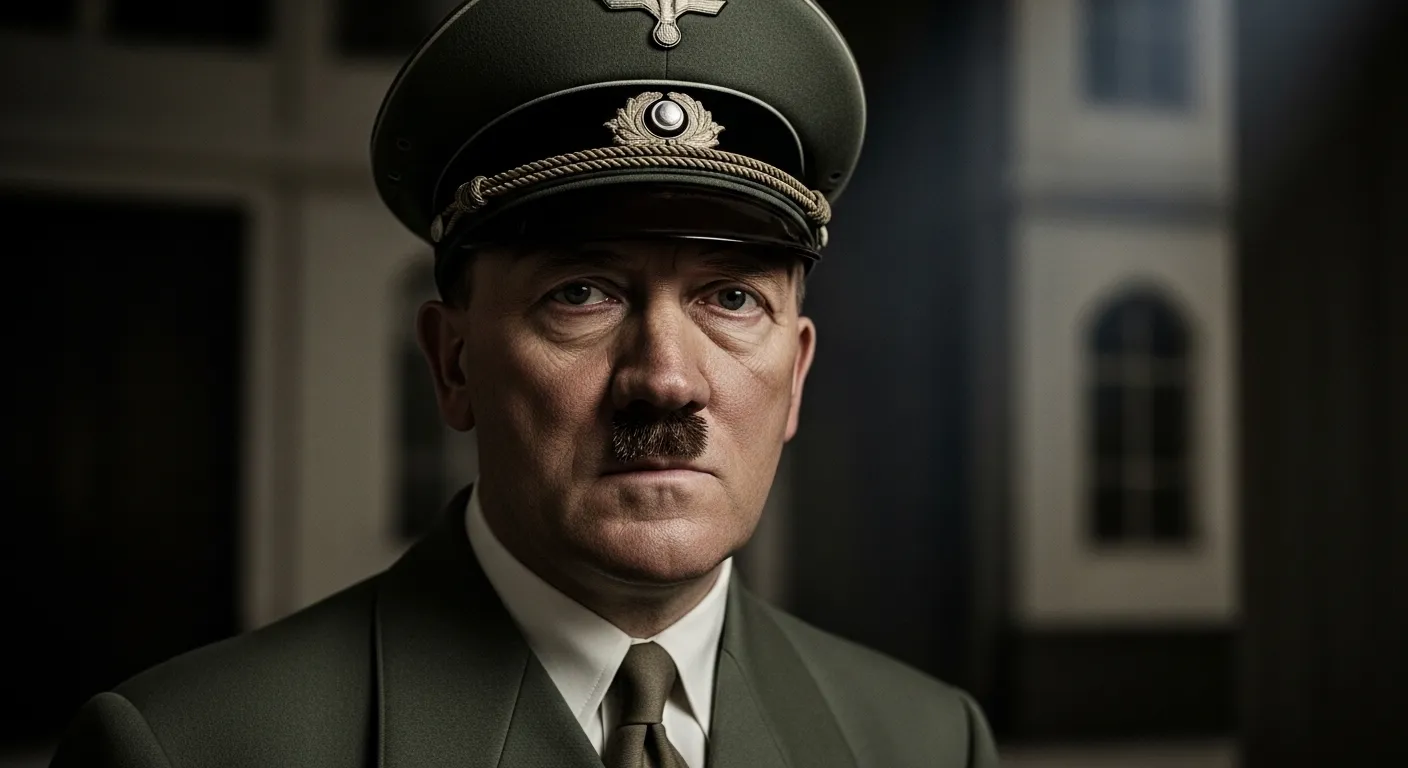
These nicknames were used formally or semi-formally during Hitler’s rule. Many were propagated by supporters or state-controlled media.
1. Führer
Meaning: German for “Leader,” his most recognized official title.
2. Der Führer
Meaning: “The Leader,” emphasizing authority and power.
3. Reichskanzler
Meaning: German for “Chancellor of the Reich.”
4. Supreme Leader
Meaning: A translation reflecting his absolute rule over Nazi Germany.
5. Head of the Third Reich
Meaning: Denotes his leadership of Nazi Germany from 1933 to 1945.
6. German Dictator
Meaning: A widely used historical descriptor.
7. Leader of Nazi Germany
Meaning: Identifies his political and ideological role.
8. Commander-in-Chief
Meaning: Refers to his control over Germany’s armed forces.
9. Führer und Reichskanzler
Meaning: Combined title meaning “Leader and Chancellor.”
10. Chancellor of Germany
Meaning: His official position from 1933 to 1945.
Propaganda-Era Nicknames
These names were promoted by Nazi propaganda to create a heroic image.
1. The People’s Leader
Meaning: Suggested he represented the German population.
2. Savior of Germany
Meaning: A propagandistic title portraying him as a national rescuer.
3. The German Messiah
Meaning: Used by supporters to elevate his image.
4. Protector of the Reich
Meaning: Claimed he defended Germany.
5. The Chosen One
Meaning: Portrayed him as destined to lead.
6. Defender of the Fatherland
Meaning: Presented him as Germany’s guardian.
7. Architect of the Third Reich
Meaning: Highlighted his role in shaping Nazi Germany.
8. National Leader
Meaning: Emphasized his influence over the nation.
9. The Iron Leader
Meaning: Referred to his rigid and authoritarian leadership.
10. Voice of Germany
Meaning: Claimed he represented the nation’s will.
Historical and Academic References
These terms are commonly used by historians and scholars.
1. Nazi Leader
Meaning: Identifies his leadership within the Nazi Party.
2. Totalitarian Ruler
Meaning: Reflects his authoritarian regime.
3. Architect of World War II
Meaning: Highlights his role in initiating the war.
4. German Autocrat
Meaning: Describes his centralized power.
5. Nazi Dictator
Meaning: A standard historical classification.
6. Leader of the Third Reich
Meaning: A widely used academic descriptor.
7. Fascist Ruler
Meaning: Refers to his extremist ideology.
8. War Instigator
Meaning: Points to his aggressive expansionism.
9. Supreme Authority of Nazi Germany
Meaning: Emphasizes his absolute power.
10. Totalitarian Tyrant
Meaning: Describes his oppressive rule.
Critical and Satirical Nicknames
These emerged from opponents, critics, and Allied propaganda.
1. The Mad Dictator
Meaning: Criticized his extreme ideology and actions.
2. The Butcher of Europe
Meaning: Refers to the devastation of World War II.
3. The Tyrant of Germany
Meaning: Highlights his oppressive leadership.
4. Enemy of Humanity
Meaning: Reflects global condemnation of his crimes.
5. The Despot
Meaning: Indicates his absolute and cruel rule.
6. The Warmonger
Meaning: Points to his role in starting wars.
7. The Monster of Berlin
Meaning: A harsh critique of his regime.
8. The Dictator of Destruction
Meaning: Refers to widespread devastation under his leadership.
9. The Dark Chancellor
Meaning: Symbolizes tyranny and fear.
10. The Shadow of War
Meaning: Reflects his association with global conflict.
International Nicknames and Translations
Different countries used varied terms to refer to him.
1. Il Führer
Meaning: Italian adaptation of his title.
2. Le Führer
Meaning: French adaptation.
3. El Dictador Alemán
Meaning: Spanish for “The German Dictator.”
4. Der Diktator
Meaning: German for “The Dictator.”
5. El Líder Nazi
Meaning: Spanish for “The Nazi Leader.”
6. Il Dittatore Tedesco
Meaning: Italian for “The German Dictator.”
7. Le Dictateur Allemand
Meaning: French translation.
8. El Tirano Alemán
Meaning: Spanish for “The German Tyrant.”
9. Der Tyrann
Meaning: German for “The Tyrant.”
10. The German Führer
Meaning: English historical reference.
Media and Literature References
These nicknames appear in books, documentaries, and historical discussions.
1. The Dictator of the Third Reich
Meaning: Used in historical writings.
2. The Nazi Mastermind
Meaning: Refers to his ideological influence.
3. The Face of Nazism
Meaning: Symbolizes Nazi ideology.
4. The Architect of Destruction
Meaning: Highlights his role in global devastation.
5. The Berlin Dictator
Meaning: Refers to his rule from Berlin.
6. The War Leader
Meaning: Associated with World War II.
7. The Reich Tyrant
Meaning: Reflects oppressive leadership.
8. The Axis Leader
Meaning: Refers to his role among Axis powers.
9. The Nazi Chancellor
Meaning: Identifies his political office.
10. The Totalitarian Icon
Meaning: Used in academic analysis.
Symbolic and Metaphorical Nicknames
These names reflect symbolic interpretations.
1. The Iron Fist
Meaning: Represents harsh rule.
2. The Dark Leader
Meaning: Symbolizes tyranny.
3. The Shadow of Europe
Meaning: Reflects his impact on the continent.
4. The Storm Bringer
Meaning: Associated with war and chaos.
5. The Voice of Extremism
Meaning: Represents radical ideology.
6. The Harbinger of War
Meaning: Signifies impending conflict.
7. The Symbol of Tyranny
Meaning: Represents dictatorship.
8. The Face of Fascism
Meaning: Symbolizes fascist ideology.
9. The Man of Iron Will
Meaning: Reflects rigid determination.
10. The Dark Architect
Meaning: Indicates destructive leadership.
Nicknames Used by Allied Forces
These emerged during World War II among Allied nations.
1. The Nazi Tyrant
Meaning: Used by Allied propaganda.
2. The Enemy of Europe
Meaning: Reflects wartime hostility.
3. The German War Leader
Meaning: Identifies his wartime role.
4. The Berlin Butcher
Meaning: Criticizes his policies.
5. The Axis Dictator
Meaning: Refers to his leadership within the Axis.
6. The Führer of Terror
Meaning: Highlights fear caused by his regime.
7. The Despot of the Reich
Meaning: Denotes oppressive rule.
8. The Nazi Warlord
Meaning: Refers to his military aggression.
9. The German Aggressor
Meaning: Used in wartime narratives.
10. The World War Instigator
Meaning: Connects him to global conflict.
Educational and Informational References
These are neutral descriptors often used in textbooks and academic discussions.
1. Leader of Nazi Germany
Meaning: A factual historical title.
2. German Political Leader
Meaning: Describes his political role.
3. Head of State of Nazi Germany
Meaning: Refers to his governing position.
4. Nazi Party Leader
Meaning: Highlights his party leadership.
5. Totalitarian Dictator
Meaning: Defines his governing style.
6. German Chancellor (1933–1945)
Meaning: Specifies his official tenure.
7. Leader of the Third Reich
Meaning: Identifies his regime.
8. Architect of Nazi Germany
Meaning: Reflects his political influence.
9. World War II Aggressor
Meaning: Describes his historical role.
10. Central Figure of Nazism
Meaning: Defines his ideological impact.
Conclusion
Nicknames offer powerful insights into history, culture, and public perception. The names associated with Adolf Hitler range from official titles and propaganda-driven labels to critical and academic descriptors.
Each nickname reflects a different perspective whether political, historical, or symbolic demonstrating how language shapes our understanding of the past.
By exploring these categories, readers gain a clearer view of historical narratives and the impact of leadership on global events. Understanding these nicknames is not about glorification but about education, awareness, and historical context.
Choose the ones that best serve your research, writing, or academic interests.
Discover More Articles :
- 389+ Connecticut Nickname : Romantic, Cute, and Unique (2026-27)
- 379+ WV State Nickname Ideas : (Cute, Funny, Unique & More!) for 2026-27
- 339+ Iowa Nickname Ideas : (Cute, Funny, Unique & More) for 2026-27
- 369+ Nebraska Nickname Ideas : Cute, Romantic, Cool & Unique (2026-27)